
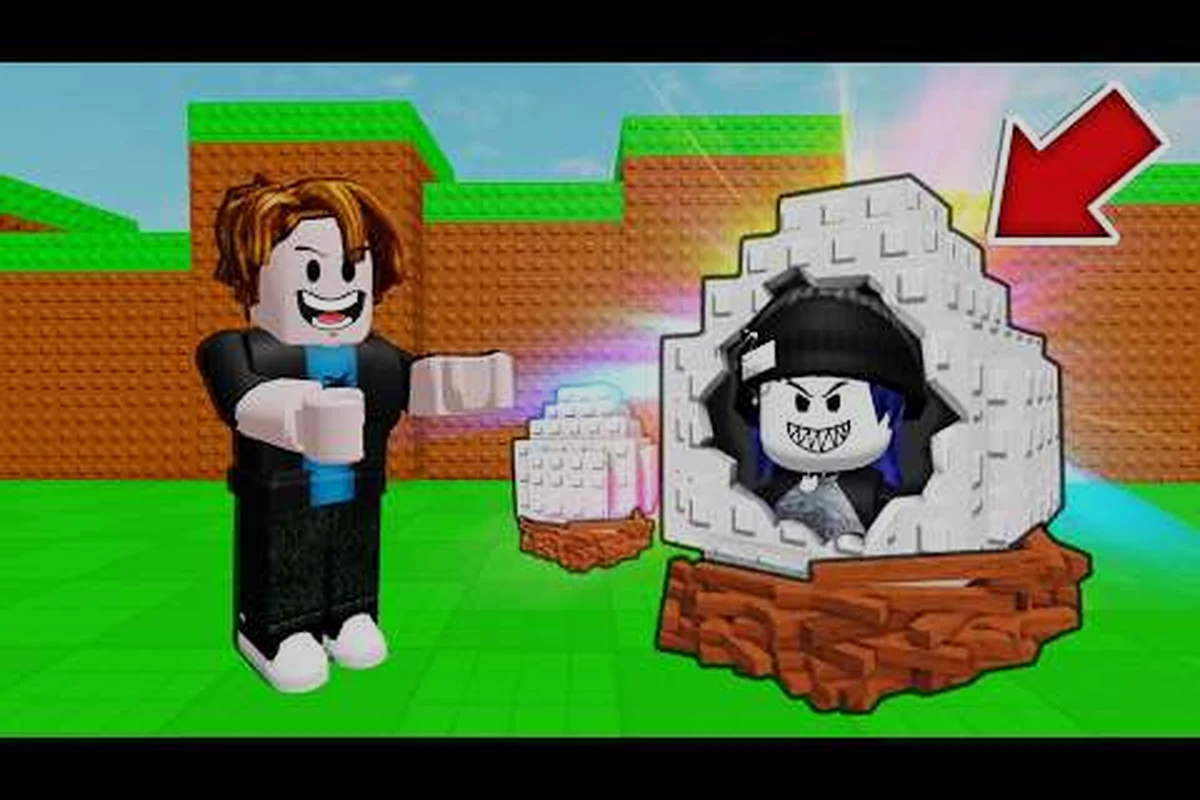
A Fake an Egg troll guide turns the egg disguise into playful pranks, memorable steals, and clean escapes instead of frustrating attacks. Use these timing, target-selection, and survival tricks to keep every joke fun and avoid turning a successful theft into an unnecessary chase.
Understanding the Prank Loop
A good Fake an Egg troll guide turns the egg disguise into a playful ambush rather than a frustrating attack. The useful part is not simply stealing; it is controlling timing, choosing a safe target, and escaping before the victim can recover. This fake an egg trolling players guide explains the basic loop, while also showing how to keep every prank playful and avoid turning a successful steal into an unnecessary fight.
The central mechanic is simple: disguise yourself as an egg, move near a distracted player, steal when the opening appears, and leave before attention turns toward you. Community experience summarized in the Fake an Egg full beginner video by VendoPlus also connects early progression to buying an egg, hatching pets, earning pen income, unlocking the disguise, and saving toward the first rebirth. Those details matter because a troll only works when the disguise is available and your escape plan is funded.
A successful prank has three parts: preparation, execution, and escape. Preparation means using pen income to unlock the egg disguise and bringing a pet that can distract a solo target; execution means timing the steal for a brief opening; escape means leaving through a different route before the target tracks the disguise. For example, a quick pet theft against a player farming alone is safer than a chase prank against a confident runner, because nearby defenders are more likely to intervene.
-
Setup: Build enough income to support the disguise and any pet you want to bring along.
-
Execution: Approach from a safe angle, watch the target’s attention, and commit only when the theft window is clear.
-
Escape: Retreat, change your route, and avoid camping the victim in a way that turns the joke into harassment.
| Troll objective | Best target | Main benefit | Main risk |
|---|---|---|---|
| Quick pet theft | A player farming alone | Fast escape | Nearby defenders may notice |
| Disguise reveal | A player showing off pets | Strong reaction | They may track the egg |
| Chase prank | A confident runner | Memorable pursuit | Long routes waste resources |
| Safe ambush | A distracted beginner | Easy approach | Low-value target |
| Decoy escape | A group of players | Creates confusion | Increased crowd pressure |
The first rule of this fake an egg prank guide is to choose the goal before approaching. A clean theft, a near miss, and a staged reveal are different plays, and each requires a different exit. Deciding in advance prevents the common mistake of standing near a player after a successful steal, which gives them enough time to retaliate.
Timing the Egg Disguise for Pranks
Timing determines whether a steal feels like a clever prank or a random interruption. Players tend to watch nearby movement, sudden changes in direction, and any object that appears beside them, so the strongest approach uses ordinary behavior to disguise a deliberate move. This section of the fake an egg tryhard tips emphasizes patience, because rushing one target usually creates a longer chase than the prize justifies.
Watch three signals before making your move: whether the target’s attention is fixed on a fight, farm, or pet showcase; whether nearby players are closing in on the intended victim; and whether your escape route avoids their line of sight. For example, if a target is fighting another egg while defenders stay near the pen, a brief egg disguise can steal the prize, whereas a target facing you or a blocked exit should make you reset and choose another approach window.
-
Target focus: The player is fighting, farming, arranging pets, or watching another direction.
-
Route pressure: Other players are not moving directly toward the intended victim.
-
Exit quality: A path, corner, or separate pen area lets you leave without crossing the target’s view again.
| Timing signal | Good moment | Why it works | Better alternative |
|---|---|---|---|
| Target is focused on a fight | Steal during the distraction | Attention stays away from the egg | Wait if defenders are nearby |
| Target is farming alone | Use a short side approach | Their movement creates a predictable rhythm | Approach during a clear interval |
| Target is showing off pets | Begin with a subtle egg approach | The reveal can create a funny reaction | Let them inspect the egg first |
| Target is watching you | Do not force the steal | They will likely track the disguise | Change direction and reset |
| Target is returning home | Take the opening only if the exit is clear | A homeward player may be less alert | Set a second ambush point |
A clean approach window is more valuable than a dramatic sprint. Walk near the target as though you are simply another egg, especially when other eggs are present. Stop before getting suspiciously close, watch the target’s body direction, and move again only when their attention shifts. This is less dramatic than charging, but it gives you a much cleaner line for the actual theft.
Players who want a more technical foundation can compare the disguise step with the practical stealing guide. That resource is useful for the precise mechanics, while this guide focuses on the social and timing layer that makes a prank entertaining rather than random.
Build a Route Before Approaching
Your route should include more than an entrance and an exit. A strong route crosses the target’s field of vision, pauses at a believable distance, and then approaches from a direction the player is not actively watching. If the area is busy, use objects and other players as visual cover. The goal is to make the egg look unremarkable for as long as possible.
Plan a two-stage escape. The first stage takes you out of immediate reach after the theft, and the second stage prevents the target from identifying your route. A direct sprint home may work once, but changing direction before it becomes predictable is safer. If the target turns, slow your movement rather than confirming that you are the thief.
Control Greed
Greed is the most common reason a prank becomes a prolonged confrontation. Players may attempt a second theft while the target is already alert, or linger to watch the reaction when a pet disappears. The better play is to take one clear opportunity and leave. That restraint preserves the surprise and reduces the chance that other players cooperate against you.
A one-steal exit is often the strongest prank pattern. Make the theft, keep moving, and do not circle back. If the target follows, use a curved route through a busy area rather than running directly toward your base. The goal is to turn the encounter into a short chase instead of a contest over one pet.
Fake an Egg Trolling Players: Selecting Memorable Targets
Funny reactions come from contrast. A player who never sees eggs will react differently from someone who spends every session trying to identify them. The best target is observant but currently distracted, comfortable enough to relax, and unlikely to attract a group of defenders. Understanding target types makes the fake an egg funniest plays feel intentional instead of random.
| Target type | Likely reaction | Prank potential | Recommended style |
|---|---|---|---|
| Casual beginner | Surprise and confusion | High | Simple approach, brief escape |
| Experienced stealer | Suspicion or pursuit | High | Disguise among other eggs, change direction |
| Show-off player | Strong protest or pursuit | Very high | Let the target become comfortable first |
| Group leader | Callout to nearby players | Medium | Avoid crowded areas and distractions |
| Farming beginner | Brief delayed reaction | Medium | Steal quietly, then leave |
| Returning player | Frustration after losing a pet | Medium | Keep the encounter playful and brief |
The show-off setup is especially effective because a player focused on displaying pets may pay less attention to an egg near them. Let that player settle, approach as another ordinary egg, and take the theft only after they are distracted. Do not begin with a sudden sprint, because an obvious approach gives a practiced player time to react.
Against experienced players, change the rhythm rather than relying on one trick. Mix a normal walk with short stops, vary the direction of your approach, and avoid returning to the same victim immediately. A thief who repeats an identical route becomes easier to predict, even if the disguise itself has not changed.
A video creator’s egg-based robbery run, I Turned Into an EGG to Rob Every Player in Roblox Fake an Egg, illustrates how disguise-centered play can create memorable encounters. While individual results vary by session, the broader community pattern supports the value of mixing disguises with unpredictable movement and decisive withdrawals.
Match the Joke to the Moment
Not every theft belongs in a public area. A private encounter with one attentive player can create a natural, friendly reaction without making their pet look ridiculous. Public reveals are better when the target is already boasting, because the crowd provides context and the joke reads as a response to showmanship.
Before committing to a fake an egg troll route, check three practical conditions: the target’s attention, the cost of a failed escape, and whether nearby players can escalate the scene. Watch the egg carrier’s movement and camera direction—if they are already tracking eggs, a sudden reveal has little surprise value. Plan a retreat before the prank, because getting cornered can turn one stolen egg into repeated pet losses and end the joke before it lands.
-
Is the player focused elsewhere, or already watching nearby eggs?
-
Can you leave without forcing the target to lose several pets?
-
Is there a chance that nearby players will turn the prank into a group pursuit?
If the answers are unfavorable, move to a less dramatic target. A prank works because it produces a brief story, not because it creates maximum chaos. The steal-eggs and disguise strategy can help with more advanced routes once the basic timing is reliable.
Fake an Egg Egg Survival: Escaping the Crowd
Survival starts before the theft, because a perfect grab still fails when the exit closes. This part of the fake an egg egg survival plan focuses on crowd density, safe disengagement, and the difference between a chase and a trap. The key principle is simple: never approach a group unless your escape path is wider than their response.
| Situation | Immediate action | Longer response |
|---|---|---|
| Target notices the theft | Change direction immediately | Avoid a second attempt in the same area |
| Two players begin following | Enter a busier zone | Use other players to break the pursuit |
| Target camps your base | Steal elsewhere | Return only after the area clears |
| Group surrounds the egg | Move with the crowd flow | Do not stop or challenge them |
| A defender blocks the exit | Abandon the prize | Protect your disguise and economy |
| Chase becomes long | Use corners and side paths | Save time rather than forcing a risky dash |
A crowd exit should never be a straight line. Move through the outer edge of a busy area, where players are less likely to block one narrow path. If a target approaches, continue moving naturally instead of sprinting immediately; sudden acceleration can reveal that your disguise is not passive. The purpose of the egg is to look ordinary until the moment of escape.
Pay attention to the difference between being followed and being surrounded. One follower can be managed with a change of direction, while a group can cut off angles and trap you. If a second player begins closing from the side, leave the area. Continuing after that point usually exchanges a small pet for a more serious loss.
If you need stronger foundations for income and pet value, review the coins and faster-pet progression guide. Stronger progression changes which targets are worth pursuing, but it does not remove the need for an escape because a valuable pet attracts more attention.
Do Not Camp the Same Area
Camping creates predictable revenge. After a successful theft, the target and nearby friends may wait near the same pens, turning a single prank into a repeated fight. Move to another part of the map, farm or train briefly, and let attention dissipate before trying another disguise. The best survival tactic is often a location change without any dramatic retreat.
Keep an escape buffer of several seconds. Do not use your final moments of disguise to stand beside a player who has noticed something unusual. If the opening closes, turn away calmly and try again later. A missed theft costs only time, while a forced theft often costs both time and resources.
Fake an Egg Prank Guide: Building a Complete Routine
The strongest fake an egg prank guide uses a repeatable routine that combines economy, disguise practice, target selection, and a safe exit. A player who relies only on the egg disguise may impress once, but a player who understands the surrounding rhythm can create a different reaction almost every session. This routine also supports fake an egg survive stealing because the same habits reduce the pressure to make reckless attempts.
| Routine phase | Practical action | Result before the prank |
|---|---|---|
| Economy | Farm and build pen income | A stable resource buffer |
| Loadout | Prepare a useful pet and disguise | Less reason to take unnecessary risks |
| Target scan | Watch behavior and player density | Find a clear target window |
| Approach | Blend with nearby eggs | Delay the moment of recognition |
| Theft | Take one clean opening | Secure the pet without prolonged contact |
| Escape | Route through traffic and vary direction | Break pursuit before it becomes a group event |
A three-prank rotation keeps the egg disguise from becoming predictable. One round can involve a quiet theft, the next a visible near miss, and the third a deliberate reveal in a busier location. The sequence changes your behavior even when the disguise remains the same. Trying different approaches also gives you a better feel for the map and for player attention.
Do not describe every failed approach as bad luck. Ask what information you had: Did the target watch your egg, did a second player move nearby, or was there no usable exit? A failed prank becomes useful when it reveals a weak point in the routine. Players who review these details gradually make fewer forced attempts and produce more surprising successes.
Turn One Theft into a Story
A memorable prank needs a beginning, a moment of surprise, and a clean ending. Begin near the target without urgency, let the egg disguise settle into the surroundings, and make the theft during a natural lull. After escaping, continue looking like another ordinary player rather than celebrating or returning to the victim.
The best reaction timing is often after the theft, not during it. Continue moving for several seconds, then glance back only if the situation is safe. A target who notices later produces a more natural reaction, while a target who follows immediately creates a harder chase. Keep the encounter centered on humor and recognition rather than humiliation.
Fake an Egg Tryhard Tips: Improving Without Taking Unfair Risks
Tryhard play in Fake an Egg is about consistency, not bothering other players. The useful fake an egg tryhard tips involve better positioning, stronger economic habits, and tighter decisions under pressure. A successful troll should leave the victim with a good story, while the player behind it gains confidence in the disguise and the escape.
| Skill level | Common weakness | Best correction |
|---|---|---|
| Beginner | Approaches at full speed | Walk normally and test attention first |
| Developing player | Takes a second risky steal | Limit the encounter to one clean theft |
| Confirmed stealer | Repeats the same target | Rotate targets and locations |
| Advanced player | Ignores crowd pressure | Leave when a second defender closes |
| Expert prankster | Chases a reaction too long | Record the reaction mentally and exit |
Practice in a controlled way. Choose a low-value area, observe how players react to an egg, and memorize safe exits. This supports the broader beginner progression guide because disguise access, pet income, and rebirth savings depend on the same underlying efficiency.
A survival score is more useful than a boast about the number of thefts. After each encounter, rate four points: clean approach, one-pet acquisition, safe exit, and no retaliation. A run with fewer steals but three strong survival scores is more consistent than several chaotic attempts followed by a loss.
Separate Skill from Permission
Winning a theft does not automatically make it a good prank. Consider the target’s experience, the value of the pet, and whether your actions disrupt their session. If someone is already struggling after repeated losses, passing up a theft can be the more playful choice. Light trolling leaves both players with a reason to laugh later.
The same standard applies in groups. Do not repeatedly steal from the same player until they quit or become trapped. Vary the target, preserve your exit, and leave the scene. This approach makes fake an egg trolling players feel like a game of surprise rather than punishment.
Improve the Setup, Not Just the Finish
The setup is where most improvement happens. Practice your farm, reduce unnecessary travel, learn where players congregate, and keep a mental map of paths that cross busy zones. Each saved step gives you more time to observe a target. Better preparation also makes the egg disguise feel natural, because you no longer have to rush directly from your base to a victim.
| Preparation goal | Practical measure | Benefit during a prank |
|---|---|---|
| More disguise time | Track time spent active rather than hidden | More options to approach |
| Faster relocation | Identify two exits before approaching | Lower risk when a target turns |
| Better economy | Maintain a pet and coin buffer | Less pressure to succeed on one steal |
| Better reading | Track player focus before attacking | More clean opening windows |
| Better reputation | Avoid repeated targeting | Less group retaliation |
A two-window plan gives you more control: identify one likely opening and one backup opportunity. If the first target becomes suspicious, move toward the backup rather than forcing the original steal. The plan works because it turns hesitation into a deliberate change of route instead of a visible retreat.
Frequently Asked Questions
What makes a Fake an Egg prank funny instead of annoying?
A funny prank depends on surprise, brief interaction, and a clean exit. Let the target notice the egg naturally, steal one pet, and leave without repeatedly attacking or blocking them. A short, good-natured reveal creates a shared story, while prolonged pursuit or multiple unnecessary thefts usually makes the encounter feel punitive.
Should I keep stealing after the target notices me?
No. Once the target is clearly watching and reacting, the best move is to abandon the attempt and change direction. Trying repeatedly can turn a playful theft into a fight, especially if other players notice the pursuit. Save your disguise, leave the area, and look for a more distracted target later.
What is the safest way to approach a group of players?
Avoid a direct approach through the center of the group. Walk near the outer edge, wait for a clear gap, and make sure two exits are available before committing. If one player turns toward you or a second defender closes in, leave without forcing a steal. Busy areas help break pursuit but can also increase the number of blockers.
Can I use the egg disguise without trying to steal?
Yes. You can use the disguise to watch player movement, test a safe route, or stage a harmless reveal. This is especially useful while learning the map, because it lets you observe where players gather and which paths remain open. A fake an egg egg survival plan becomes easier when your scouting does not force a theft every time.
How do I make a prank more memorable without creating chaos?
Choose targets whose behavior creates a natural reaction, such as a show-off player who is distracted by their pets. Let the setup breathe, take one clean theft, and exit through a different path. The surprise comes from a clear contrast between the player’s confidence and the sudden disappearance, not from repeatedly hitting the same target.