
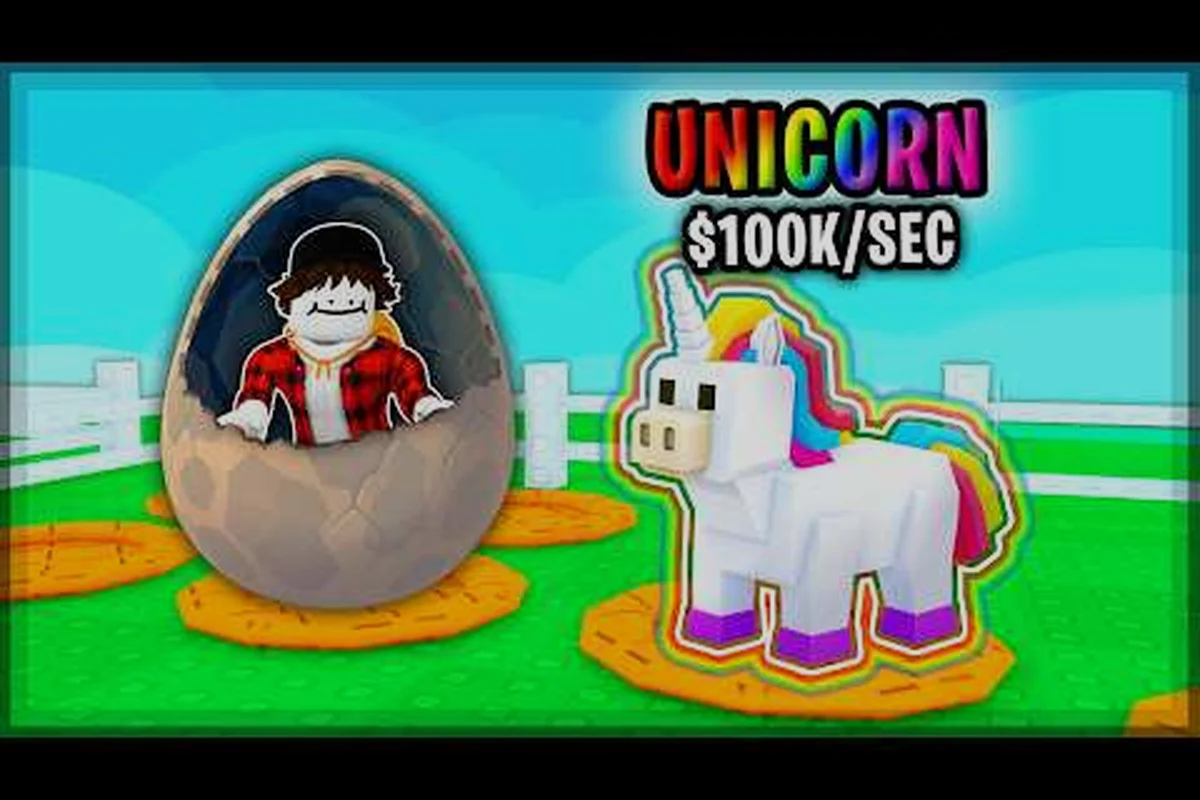
The Fake an Egg egg disguise can turn an ordinary object into a cover for close-range sneaking. This guide explains how to use the fake egg trick, control your movement, and exploit busy areas so opponents notice you later than expected.
How the Egg Disguise Works
The Fake an Egg egg disguise works best when it is treated as a temporary visual trick rather than an invisible shield. Your model can resemble an egg, but movement, camera direction, and sudden turns can still reveal the deception. That makes positioning and timing more important than simply activating the disguise.
What the Disguise Does
In practice, the egg disguise changes your player silhouette enough to make a nearby opponent pause and reassess whether they are looking at a target, a prop, or another disguised player. That hesitation is useful even without perfect concealment: for example, crossing a cafeteria table at a measured pace gives an observer more time to notice the shell-like shape, while stopping beside a stacked-crate prop can make the disguise read as environmental scenery. The strongest applications share three traits:
-
Visual mismatch: Your appearance no longer matches a normal player model.
-
Environmental cover: A nearby object or crowded area helps explain your presence.
-
Delayed reaction: The opponent must stop, inspect, and interpret what they see before acting.
Community reports and player videos show that the disguise creates a distraction, not guaranteed protection. If you sprint across an open courtyard or spin directly in front of someone, the unusual shape may make you easier to notice. A slower route is safer because the trick depends on removing visual cues one at a time.
When the Disguise Has the Most Value
The best targets are locations where players naturally stop, switch directions, or examine objects. A narrow lane, a busy spawn point, and a room with several similar props can all work, although crowded areas also reduce your control over movement. The Fake an Egg egg stealth approach is strongest when the disguise supports a nearby prop or animation instead of standing alone.
| Situation | Disguise value | Main risk | Better objective |
|---|---|---|---|
| Busy spawn area | High | Too much movement | Reach a cover point |
| Open plaza | Low | Your outline is isolated | Wait for a player to pass |
| Narrow corridor | Medium | Blocked escape route | Let the target pass |
| Room with egg props | High | Player studies the scene | Create a believable delay |
| Elevated viewpoint | Medium | Obvious silhouette change | Cross during a camera turn |
Controlled movement and environmental fit determine whether the disguise feels natural. Before committing to a theft, watch how other players react to nearby props: a convincing egg should hold a target’s gaze for a moment longer, without triggering an immediate study of its outline. In a room with egg props, use the shared visual language to create a believable delay; in an open plaza, even a correctly timed disguise can look isolated. Their attention pattern will show which objects are convincing enough to support your approach.
Setting Up the Fake Egg Trick
A good setup phase prevents the disguise from becoming obvious. Start outside the target's likely line of sight, activate the appearance, and practice the exact route before you attempt an actual steal. Players often rush the moment they see an opening, but the stronger play is to enter with a clear exit.
Choosing a Cover Position
Cover works best when it is relevant to the room. Standing beside an egg-shaped prop gives the disguise a visual excuse, while hiding behind unrelated scenery may leave the shape exposed. You want enough space to turn without looking robotic and enough depth that the target's attention remains divided.
| Cover type | Disguise support | Movement room | Recommended use |
|---|---|---|---|
| Matching prop | Excellent | Medium | Wait for a close pass |
| Furniture | Good | High | Circle behind the target |
| Corner | Moderate | Low | Catch a turn at close range |
| Wide scenery | Poor | High | Reposition instead of waiting |
| Player-created distraction | Uncertain | High | Exploit the temporary confusion |
When the target is gathering a pet or interacting with an egg, the Fake an Egg fake egg trick can buy a few seconds. Those actions create a natural pause in awareness, but they also attract other players, so you should confirm that the area is clear before moving in. A stealth plan should account for witnesses, not only the intended victim.
Positioning Relative to the Target
Angle is one of the most useful parts of egg stealth. Standing directly in a player's view demands perfect stillness, while a side angle gives you more time to react to their camera movement. A position behind the target is stronger when their attention points toward a distant threat, although it may leave you exposed if they turn around.
A practical Fake an Egg how to be an egg routine includes three deliberate checks: line-of-sight check to identify every direction from which the target can see your egg disguise, an escape check to confirm a retreat path that does not cross another player’s view, and a timing check to track the target’s next interaction, turn, or camera movement. For example, wait behind a target while they face a distant threat, then commit during a predictable turn; if the target begins a steal animation or spins their camera, use the preplanned gap instead of improvising a second disguise effect.
-
Line-of-sight check: Identify every direction from which the target can see you.
-
Escape check: Make sure you can retreat without crossing another player's view.
-
Timing check: Note the target's next interaction, turn, or camera movement.
Preplanned retreat routes are more valuable than a second disguise effect. If the target begins a steal animation, an obstacle, or a sudden camera spin, move immediately toward the gap you identified. Trying to improvise while the opponent is already watching usually ends the attempt.
Using Egg Stealth During a Theft Attempt
The disguise is most effective before contact and least reliable afterward. A player may hesitate at first, but a sudden reach, visible pet, or unusual retreat can expose the trick. This makes the goal controlled access, not lingering in the open after the valuable interaction.
Timing the Final Approach
Move only when the target's attention is occupied. Their camera direction can be misleading because a player may keep the camera pointed at a pet while watching the surrounding area through peripheral vision. Use environmental cues as well: a turning character, a sudden camera swing, or another player crossing the route.
| Target behavior | Disguise opportunity | Recommended action |
|---|---|---|
| Facing away | High | Advance along the prepared route |
| Camera moving rapidly | Medium | Wait for the camera to settle |
| Collecting a pet | High | Close the gap during the interaction |
| Watching another player | High | Enter from the opposite side |
| Stationary and alert | Low | Create a distraction elsewhere |
| Approaching your position | Very low | Retreat before contact |
The Fake an Egg egg trick works best as a layered approach: disguise for visual confusion, cover for environmental support, and timing for control. If any layer fails, the others may not compensate. Players who rely only on the appearance often discover that a simple camera turn is enough to expose them.
Controlling Movement and Camera
Once disguised, keep your movement deliberate. Sudden sprinting, constant jumping, and repeated direction changes produce stronger motion cues than a steady approach. When possible, walk rather than sprint, stop before entering an exposed area, and make the first action resemble something the room naturally contains.
Motion consistency is a practical test of whether the disguise looks convincing. If your avatar looks exactly like an ordinary egg while moving, a player may focus on the behavior and recognize the tactic. By staying still during a busy moment and moving at controlled intervals, you make the disguise look less like an obvious costume and more like part of the environment.
A successful egg disguise depends on placement as much as appearance: position yourself near shelves, counters, or props where an egg-shaped character would attract less attention, then time the theft around a distracted target rather than immediately after a sudden camera swing. For example, pausing beside a display while the target faces another area can make the disguise blend into the room and give you a safer opening for a grab-and-escape plan. The Fake an Egg stealing guide can help you connect that positioning with target selection, escape routes, and the rest of your theft strategy.
Avoiding Detection in Crowded Areas
Crowds are useful because they divide attention, but they also increase the chance that a disguise will be examined. The key is to select one pocket of activity rather than drifting through the largest crowd. Pick a route that lets you observe without standing out and withdraw if a nearby player focuses on you.
Reading Attention Instead of Guessing
Players often give visual priority to moving characters, valuable pets, and sudden interface changes. A disguised player may occupy the edge of that attention, especially if the disguise keeps the character still near a prop. Watch where others look before assuming the safest place is the darkest or most hidden corner.
| Area feature | Attention pull | Disguise opportunity |
|---|---|---|
| Active pet theft | High | Strong while the attacker is focused |
| Player dispute | High | Brief but potentially chaotic |
| Egg hatching point | Medium | Good if the disguise resembles the prop |
| Spawn arrival | Medium | Useful only with careful timing |
| Quiet perimeter | Low | Good cover, but limited confusion |
A crowd-assisted distraction is most effective when it is short-lived. Once the group’s attention shifts, the disguise loses its main advantage. Move through the disturbance, complete the objective, and leave rather than waiting for a second favorable moment.
Retreating Without Confirmation
The stealth plan should include an exit for several failure states: the disguise is noticed, another player enters the room, or the target changes direction. Each state calls for a different response, and panic movement can erase the advantage you built.
-
Disguise recognized: Walk away at normal pace; sprinting confirms that you were trying to approach.
-
Second player arrives: Use the nearest prop or corner, then reassess before continuing.
-
Target turns toward you: Freeze briefly, adjust your angle, and avoid sudden lateral movement.
-
Exit becomes blocked: Move toward the least crowded route rather than squeezing past the target.
Two-route planning helps because it prevents every failed attempt from becoming a scramble. The primary route should be short and direct, while the backup route should avoid the target's current field of view. Even if the egg disguise fails, a good retreat can keep the encounter from becoming a direct confrontation.
Drilling Disguise Habits Until They Stick
The trick becomes easier to use when you separate its three skills: activation, movement, and reading. Advanced players do not merely activate the egg appearance; they use it only when the room supports the deception and they can reach a useful position before suspicion rises.
Designing a Disguise Practice Session
Training in a quiet area lets you learn the visual and movement cues without risking a valuable pet. Practice the sequence until your disguise activation, camera placement, and retreat feel like one routine. This is especially important if keyboard and mouse movements make it difficult to stop cleanly.
A useful drill is to choose a fixed point, approach it in an egg shape, pause, and retreat along the same path. Then repeat while turning the camera at different angles. You are looking for unnecessary reveals, such as a fast camera snap or a character sprinting immediately after activation.
| Skill | Common weakness | Focused drill | Success sign |
|---|---|---|---|
| Activation | Activating too late | Time it to the target's next action | Disguise appears before you are exposed |
| Movement | Sprinting out of cover | Use a walk-to-stop-to-walk cycle | Motion blends with nearby activity |
| Reading | Guessing from camera angle | Watch feet, pets, and interface focus | You enter during genuine distraction |
| Retreat | Pushing through the target | Plan two exits before advancing | You can leave without a direct chase |
Pattern recognition is the highest-value improvement. Notice which movement makes a player look back and which distractions make them remain focused. Those patterns will vary between sessions, so compare repeated attempts instead of expecting one route to work every time.
Combining the Disguise With Other Actions
The egg disguise is strongest when another mechanic naturally distracts the room. An active theft, a nearby pet, a hatch interaction, or another player moving through the area can all pull attention away. You do not need to cause every distraction yourself; observing the existing one is often safer.
Understanding pet movement and egg interactions can make your timing more accurate. The Fake an Egg hatch egg guide explains that environment more closely, which helps you identify windows when players will stop and focus on an egg rather than scanning every moving character.
Situations to Avoid and When to Disguise
Not every opportunity is worth the disguise. A failed attempt can reveal your strategy, cause the target to become more cautious, or draw unwanted attention from nearby players. Use clear conditions to decide whether the visual trick has enough support.
Disguise or Stay Normal?
The disguise is most useful when you need to occupy space without looking like a normal competitor. It is less useful when your goal is to remain entirely unnoticed; the unusual shape can actually make you stand out. If a normal player can pass without attracting attention, changing appearance may create the problem you wanted to avoid.
| Goal | Recommended approach | Reason |
|---|---|---|
| Hide beside a matching prop | Use the egg disguise | Visual context supports the form |
| Enter a quiet room | Stay normal or use cover | A disguise may be the most noticeable object |
| Pass a one-second glance | Normal movement | Minimal action reduces visual complexity |
| Cross a busy distraction | Use the egg disguise | Conflicting attention masks your approach |
| Escape a failed attempt | Disguise only if already available | Changing form may reveal the trick |
| Blend with a hatch point | Use the egg disguise | Similar surroundings increase plausibility |
Goal matching prevents a common mistake: using the egg disguise when quietness matters more than deception. For example, near a hatch point, the disguise benefits from matching props, but crossing a quiet room makes the egg silhouette more noticeable than ordinary movement. Judge the room, likely target, and number of witnesses before committing; the table’s recommendation to stay normal or use cover can preserve stealth where a disguise would expose the fake egg trick.
Learning When to Abandon the Attempt
Abandoning a bad approach is a success in disguise play because the goal is a clean theft, not prolonged disguise use. For example, if a player pauses beside an egg disguise, stares directly at it, or another hunter closes in on the same route, drop the egg shell and create distance before the deception becomes a confirmed chase. In the fake an egg stealth loop, retreating after a broken cover preserves your ability to use another disguise later, while staying exposed risks a failed steal and immediate pursuit. Watch for these warning signs:
-
The target stops and faces your direction for several moments.
-
Another player follows the same route toward your position.
-
A camera swing repeatedly checks the area where you are standing.
-
Your intended exit becomes blocked by a moving player or opened door.
-
The disguise no longer matches the nearby props or objects.
Early retreat preserves your future options and prevents a failed steal from escalating into a chase. The useful measure of the egg trick is not how long you remained disguised; it is whether the disguise created enough uncertainty to complete the objective.
Building a Complete Stealth Plan
A reliable Fake an Egg egg disguise strategy combines visual cover, timing, movement, and a fallback. In “Fake an Egg,” the egg disguise can make you look harmless to NPCs, but it does not automatically protect you once they investigate suspicious movement. A strong approach is to disguise near props or patrol routes, blend into the group of eggs, and use short, controlled movements until the target’s attention shifts. If the disguise fails, retreat behind cover or switch to another prop instead of continuing to sprint; this keeps the plan useful even when a chase begins.
Pre-Attack Checklist
Before you activate the disguise, confirm the objective, target, route, and exit. This quick check prevents avoidable mistakes such as disguising beside an unrelated prop or entering a room with several witnesses. Keep the plan simple enough to execute while the target is already moving.
- Identify which pet or egg you intend to steal.
- Check the target’s current camera direction and movement.
- Locate a matching prop or otherwise defensible cover point.
- Select one primary route and one fallback route.
- Note every player who could interrupt the attempt.
- Decide the exact moment to activate the disguise.
- Plan a quiet retreat before entering the room.
The Fake an Egg egg stealth plan should be based on what you can observe now, not on a perfect outcome. If the target changes routes, you need a rule for adapting. A simple rule such as “wait for another distraction or leave” prevents panic and keeps your decision consistent.
What Makes the Trick Work
The strongest attempts rely on layered advantages. A matching environment supports the disguise, a busy action distracts the target, controlled movement preserves the illusion, and a clear exit prevents a miss from becoming a confrontation. Removing any layer may still work occasionally, but it makes the strategy inconsistent.
| Layer | Strong execution | Weak execution |
|---|---|---|
| Appearance | Placed near a relevant prop | Standing in the open |
| Timing | Moves during a focused interaction | Walks directly toward an alert player |
| Movement | Slow, deliberate, and consistent | Sprinting, jumping, or rapid turns |
| Route | Approaches from a concealed angle | Crosses the target’s direct view |
| Retreat | Ends the attempt cleanly | Gets trapped near the target |
Layered deception makes the fake egg trick dependable because the disguise does not have to explain every unusual detail by itself. It only needs to blend with the room, nearby props, and the target’s current attention, while your movement and timing supply the rest. For example, an egg disguise positioned beside a carton of eggs can make a slow approach look like part of the scenery; a sudden sprint, jump, or direct line of sight would contradict that cover and expose the fake egg trick.
For repeat attempts, treat the fake an egg egg disguise as a repeatable setup rather than a one-off trick: the Fake an Egg how to steal guide offers ways to select targets, vary routes, and distribute risk across encounters. A useful example is alternating between a prop-adjacent approach and a distraction-assisted route, so the same egg disguise does not become a predictable tell. Changing timing, movement speed, and retreat timing can preserve the layered deception described above, while also preventing a failed attempt from immediately revealing your position.
Frequently Asked Questions
Does the Fake an Egg egg disguise make a player completely invisible?
No. The egg disguise changes your appearance and can make observers hesitate, but it does not remove your character from view. Movement, camera direction, and unusual behavior can still reveal the trick, so use nearby props and controlled movement to make the disguise convincing.
Can I steal a pet while using the fake egg trick?
Yes, provided you can reach the pet during a suitable distraction without exposing yourself. The disguise is most helpful when the target is focused on another action or when other players are dividing their attention. If the target looks directly at you, retreat and try again.
Where should I disguise myself for the best result?
Choose a position near an egg-shaped prop, hatch point, or similar visual object. A busy area can add confusion, but a quiet location with a relevant object is often more consistent. Avoid standing alone in an open space, where your altered silhouette becomes the most noticeable feature.
Should I sprint while disguised?
Usually, no. Sprinting creates strong movement cues and can undo the benefit of the disguise. Walk at a controlled pace, pause when attention is focused elsewhere, and reserve fast movement for an emergency retreat after the disguise has already failed.
What is the best way to practice the Fake an Egg egg stealth technique?
Practice in a safe area by timing activation, approaching a marker, stopping, and retreating along a planned path. Repeat with different camera angles and distractions so you can recognize which movements attract attention. This builds the timing needed for real encounters without risking valuable pets.